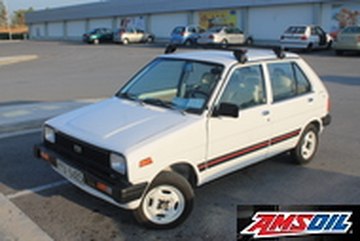
Engine Lubrication and Maintenance for the 1981 Subaru HATCHBACK 1.8L
Maintaining the mechanical integrity of a vehicle from the early 1980s requires a proactive approach to fluid management and component inspection. For the 1981 Subaru HATCHBACK equipped with the 1.8L EA81 engine, consistent attention to lubrication is a fundamental aspect of long-term ownership. Because older engines often operate under different thermal and mechanical stresses than modern counterparts, understanding how to monitor and service your lubrication system is essential for preventing unnecessary wear.
Monitoring Fluid Condition and Consumption
One of the most effective ways to gauge the health of an engine is to observe how it utilizes its lubricants. Rather than relying solely on scheduled intervals, owners should become familiar with the baseline behavior of their specific vehicle. This involves regular checks of the lubricant level and a close look at its physical condition.
If you notice a change in how much oil the engine requires between services, it warrants investigation. While some degree of consumption can occur as engines age, significant changes may indicate that seals or gaskets are no longer providing an effective barrier. Similarly, the appearance of the lubricant can tell a story. If the fluid appears excessively dark, gritty, or shows signs of contamination, it may suggest that the current service interval is too long or that external contaminants are entering the system.
It is also helpful to look for any external evidence of seepage. Inspecting the area around the engine block and various sealing surfaces can help identify if fluids are migrating from their intended paths. Finding small amounts of residue during a routine inspection is often easier to manage than addressing a significant leak that has developed due to neglect.
Practical Inspection Priorities for Aging Engines
As vehicles move into higher decades of service, the materials used in various components—such as rubber hoses and plastic connectors—can undergo changes in flexibility and strength. For the 1981 Subaru HATCHBACK, a systematic approach to visual inspections can help identify potential issues before they lead to mechanical interruptions.
When performing routine maintenance, consider the following areas:
- Sealing Surfaces: Inspect various gaskets and seals for signs of age-related seepage. Even if a leak is not actively dripping, a "wet" appearance on a gasket surface can be an early indicator of material degradation.
- Hoses and Connections: If present, examine any visible hoses for signs of cracking, softening, or bulging. Maintaining the integrity of these components is vital for preventing fluid loss.
- Electrical Integrity: Check accessible wiring and electrical connectors for signs of fraying, corrosion, or loose connections, which can impact engine performance and sensor accuracy.
- Drive Components: If equipped, inspect any accessible drive belts for evidence of glazing, cracking, or fraying. A belt that shows significant wear may eventually slip or fail, affecting the accessories it drives.
By focusing on these areas during every oil change or routine service visit, you can establish a clearer picture of the vehicle's current mechanical state.
Managing Maintenance Records and History
For an owner of a 1981 model, the available service history is often the most valuable tool for making informed maintenance decisions. If you have recently acquired this vehicle, your first priority should be to establish a maintenance baseline. This means performing a thorough inspection and perhaps a comprehensive fluid service to ensure you know exactly what condition the engine is in.
Keeping a detailed log of all completed services—including the dates, mileage, and specific products used—allows you to identify patterns. For example, if you notice that the vehicle requires more frequent lubrication checks than it did six months ago, your records will help you determine exactly when that trend began. This data is invaluable when deciding whether a component needs preventive replacement or if it can continue to operate safely.
When maintenance history is incomplete, do not feel pressured to replace parts simply because of the vehicle's age. Instead, use the current physical condition of the components to guide your priorities. A well-maintained 1981 engine with documented service history may require far less intervention than a newer engine that has suffered from inconsistent care.
Understanding Lubricant Functionality
Engine oil performs several roles that are critical to the operation of the 1.8L EA81 engine. Beyond simply reducing friction between moving parts, the lubricant acts as a medium for heat management by carrying thermal energy away from high-friction areas. It also serves as a cleaning agent, helping to suspend microscopic particles and prevent them from settling into deposits or sludge within the engine.
The effectiveness of these functions depends heavily on the quality and stability of the oil used. As oil undergoes thermal cycles, it is subject to oxidation. High-quality lubricants are designed to resist this breakdown, maintaining their ability to protect the engine over time. When selecting a product, ensuring it meets the appropriate modern API certifications is a standard way to verify that the oil possesses the necessary additive packages for deposit control and thermal stability.
Identifying Potential Warning Signs
While many maintenance tasks are preventive, being able to recognize symptoms of trouble can prevent more serious mechanical issues. It is important to remember that many symptoms can have multiple underlying causes, so an observation should be treated as a prompt for investigation rather than a definitive diagnosis.
Watch for the following indicators:
- Changes in Engine Sound: Any new or unusual mechanical noises during startup or while idling should be investigated promptly.
- Exhaust Observations: While exhaust color can be influenced by many factors, certain changes in smoke appearance may warrant a closer look at the engine's internal condition.
- Warning Indicators: If your vehicle is equipped with dashboard warning lights related to lubrication or engine temperature, treat these as high-priority signals that require immediate attention.
- Fluid Odors: A strong smell of burning oil after driving may indicate that lubricant is contacting a hot external surface, which could be linked to a leak in a gasket or seal.
If any of these signs occur, the best course of action is to perform a thorough visual inspection and consult service documentation to determine the most likely cause.
Buying Engine Oil for your 1981 Subaru HATCHBACK 1.8L
When you are ready to replenish your engine's lubricant, the most important step is to match the product to the specific requirements of your vehicle. Do not rely on general automotive knowledge or assumptions based on the age of the car to select a grade.
Instead, refer directly to the application-specific oil viscosity and information provided on this webpage. This ensures that you are using a lubricant that is compatible with the tolerances and design of your 1.8L engine. When shopping, check the product labels carefully to confirm they meet the necessary API standards. Depending on your specific needs and the current condition of your engine, you may choose between conventional oils, synthetic blends, or full synthetic formulations. Some high-mileage oil formulations also contain additives intended for use in aging engines, including seal-conditioning additives that may be beneficial for vehicles showing signs of minor seepage.